Ohio
Ohio's last stand of tallgrass prairie and cedar glade, side by side.
Plum Run Prairie Preserve covers 140 acres in Adams County, Ohio, and belongs to the Arc of Appalachia Preserve System. What it protects is rare: one of the few genuine prairie remnants left in the state, and a piece of ground where the midwestern plains and the eastern hills meet. There’s tallgrass prairie here, and there’s cedar glade, side by side.
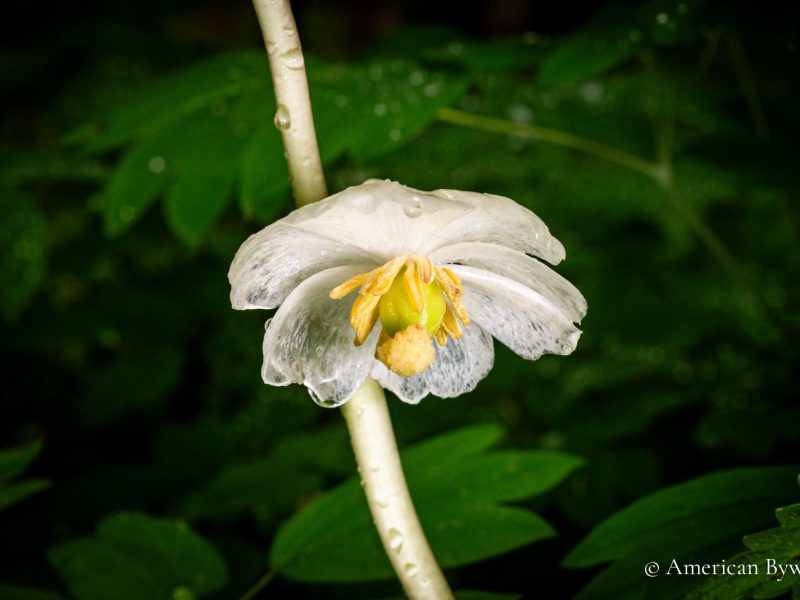
The preserve keeps three seasons worth of showing off. Woodland wildflowers come up in spring and hit their stride in May. August belongs to the prairie flowers. By late fall the tall grasses have taken over, rolling in the wind like water.
Ohio has always been a place where two biomes argue over the same real estate. Temperate deciduous forest and prairie have expanded, contracted, and pushed back against each other for more than 20 million years. Prairie handles heat and drought better than the forest does, but it grows low, and low is a losing position once the trees close ranks and throw shade. Wet years favor the forest, which creeps in at the edges. Drought, heat, and fire hand the ground back to the prairie.
Ohio was mostly forest, but two kinds of prairie found room here. The tallgrass prairie was the fire-made one, running west of here and standing as high as 10 feet. All that grass put down roots deep enough to build some of the richest soil on the continent, which is exactly why it’s gone. Farmers went where the soil was, and more than 95 percent of America’s tallgrass prairie went under the plow.
The tallgrass at Plum Run is a geographic outlier, sitting well east of where it belongs. One likely explanation runs alongside the property: the railroad, where crews burned back growth along the line with flares. Fire-tolerant prairie species don’t mind that treatment one bit. They may have found a foothold and kept it.
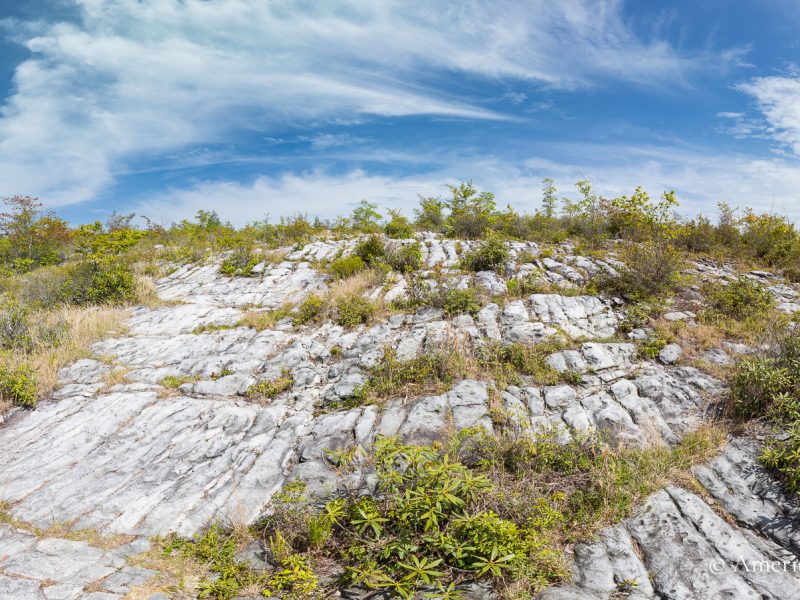
The other prairie here is the cedar glade, sometimes called a cedar barren. It grows on thin, dry soil weathered out of limestone bedrock, ground too poor for much of anything except plants built for hardship. Red cedar is the standout, a tree that takes drought and heat without complaint. Glades like this were never large to begin with, and most were cleared long ago and turned into marginal pasture.
Ohio’s climate leans wet these days, and the prairies keep losing ground because of it. A warming climate could reverse that in time, which is one more argument for holding onto what’s left. As far as anyone knows, Plum Run is the only place in Ohio where both the tallgrass prairie and the cedar glade prairie exist in full. It’s a living museum for two plant communities that came within a hair of disappearing altogether, and the diversity of plants and insects here is remarkable.
Current conditions near Peebles, Ohio.